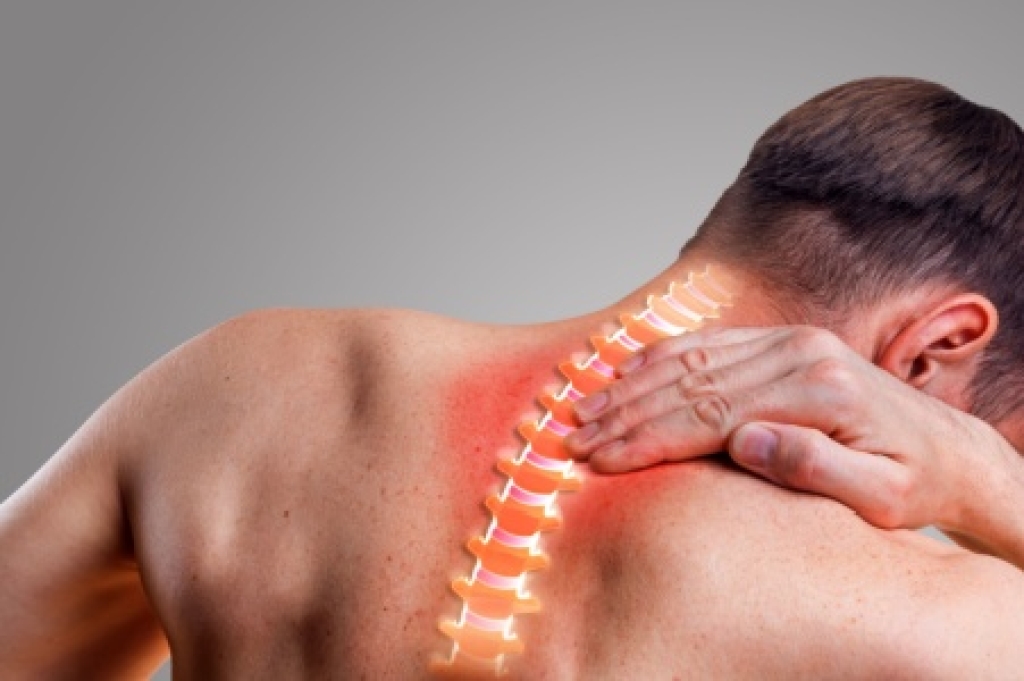
A muscle spasm is a sudden, involuntary tightening of a muscle that can cause discomfort and restrict movement. These contractions can occur in any muscle but are often experienced in the neck, back, shoulders, or legs. A muscle spasm may last only a few seconds or continue for a longer period, depending on the cause and severity. Many people describe the sensation as a tight knot or cramp that makes normal movement difficult. While muscle spasms are common, recurring or severe episodes may interfere with daily activities and affect overall comfort.
Muscle spasms can develop for several reasons. Overuse, muscle fatigue, and injury are among the most common causes. In some cases, spasms occur when muscles react to irritation, strain, or changes in the surrounding joints and tissues. Symptoms may include sudden pain, muscle tightness, and reduced range of motion. The affected area may feel firm or tender, and movement can become uncomfortable until the muscle relaxes. Because muscle spasms can result from different underlying issues, identifying the source of the problem is important for determining the most appropriate treatment approach.
Chiropractic care may help individuals experiencing muscle spasms by addressing factors that contribute to muscle tension and restricted movement. A chiropractor can evaluate the spine, joints, and surrounding muscles to identify areas that may be placing excessive stress on the body. Through a personalized treatment plan, chiropractic care may help improve mobility, reduce muscle tension, and support normal function. Restoring proper movement patterns may also help decrease strain on affected muscles and improve overall comfort. If recurring muscle spasms are limiting your mobility or causing ongoing discomfort, it is suggested that you consult a chiropractor for an evaluation and appropriate treatment options.
Muscle Spasms
Muscle spasms, or involuntary muscle contractions, can cause sudden pain and tightness, often disrupting daily activities and causing significant discomfort. Spasms are typically triggered by muscle strain, dehydration, poor circulation, or nerve irritation and can occur in any muscle, although they are most common in the neck, back, and legs.
Chiropractic care for muscle spasms aims to relieve muscle tension, improve circulation, and restore the body’s natural balance. By performing gentle adjustments to the spine or other affected areas, chiropractors work to realign the body and reduce nerve interference that may be contributing to the spasms. This approach can help relieve the pressure on muscles, encouraging them to relax and reducing the frequency and intensity of future spasms.
In addition to adjustments, chiropractic care may include stretching exercises, massage, and lifestyle recommendations to prevent recurrence. These exercises are designed to strengthen and support the muscles, improving flexibility and reducing muscle strain.
Chiropractic care offers a holistic, drug-free approach to managing muscle spasms, emphasizing long-term relief and muscle health. By addressing both the immediate symptoms and underlying causes, chiropractic treatment helps people find lasting relief, promoting muscle relaxation and supporting overall well-being.
Will the treatment cause additional pain or discomfort?
Patients sometimes worry that chiropractic adjustments or muscle manipulation will aggravate their spasms. Chiropractors emphasize that treatments are generally gentle and designed to alleviate discomfort without causing additional pain.
Will I feel immediate relief after each adjustment, or does it build over time?
While some patients feel immediate relief after a session, long-term improvement usually develops gradually with consistent treatment. Muscle tension and spasms often respond best to cumulative care over several sessions.
If you have any questions please feel free to contact our office located in Contact Us .
